
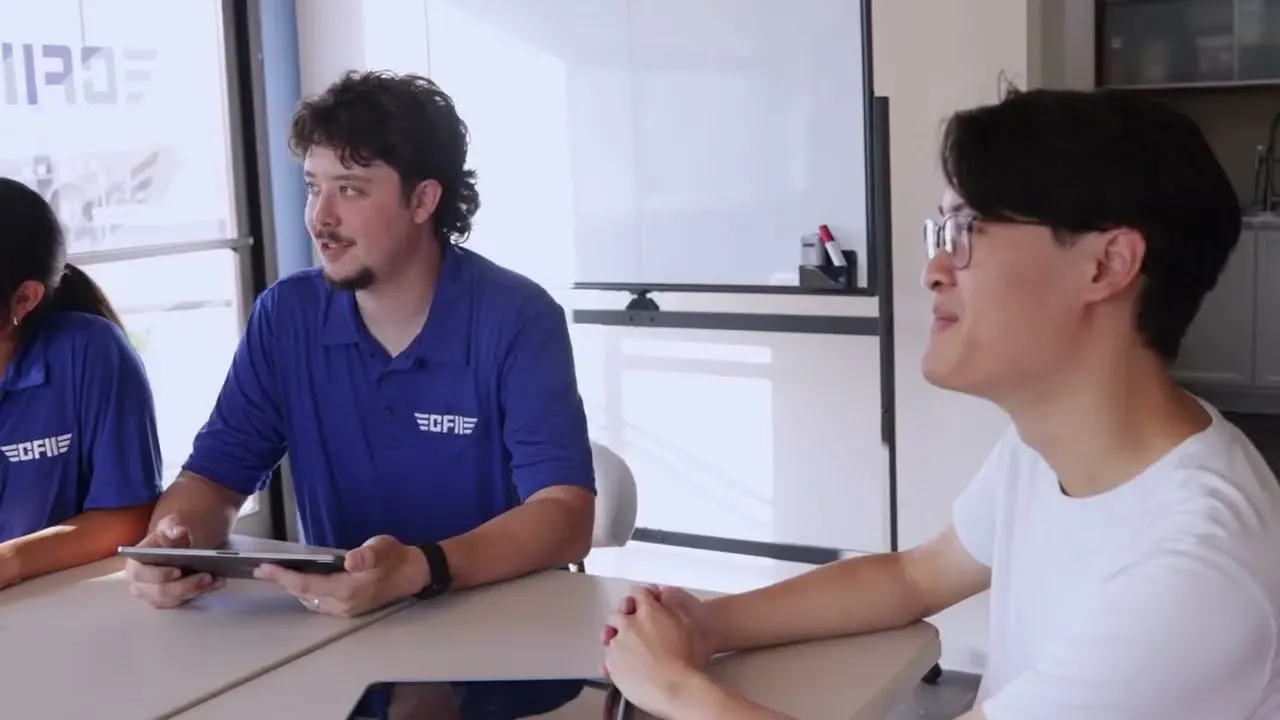
What a co-borrower actually signs up for.
Someone close to you wants to train as a pilot and has asked you to co-sign the loan. That is a serious thing to be asked. This is the plain version of what it involves, before anyone signs anything.
What the loan pays for
CFII is a flight school at Riverside Municipal Airport in California. Our Career Track takes a student from zero experience to commercial pilot and flight instructor in about nine months of full-time training.
It covers six certificates and ratings (private, instrument, commercial single and multi-engine, CFI and CFII) and 282 hours of flight and simulator training. The price is $89,000, financed as one amount through Stratus Financial, a lender founded by FAA certificated flight and ground instructors.
The airlines hire at 1,500 flight hours, and instructing is how those hours get logged. With our optional instructor add-on ($15,000), the student teaches for us after certification and is paid $30 per flight-training hour.
What we will not claim is that any of it is guaranteed. No flight school can honestly promise an airline job, and we have no airline partnerships to sell. Instructing pay elsewhere varies. What we can promise is the training, the airplanes and the hours.
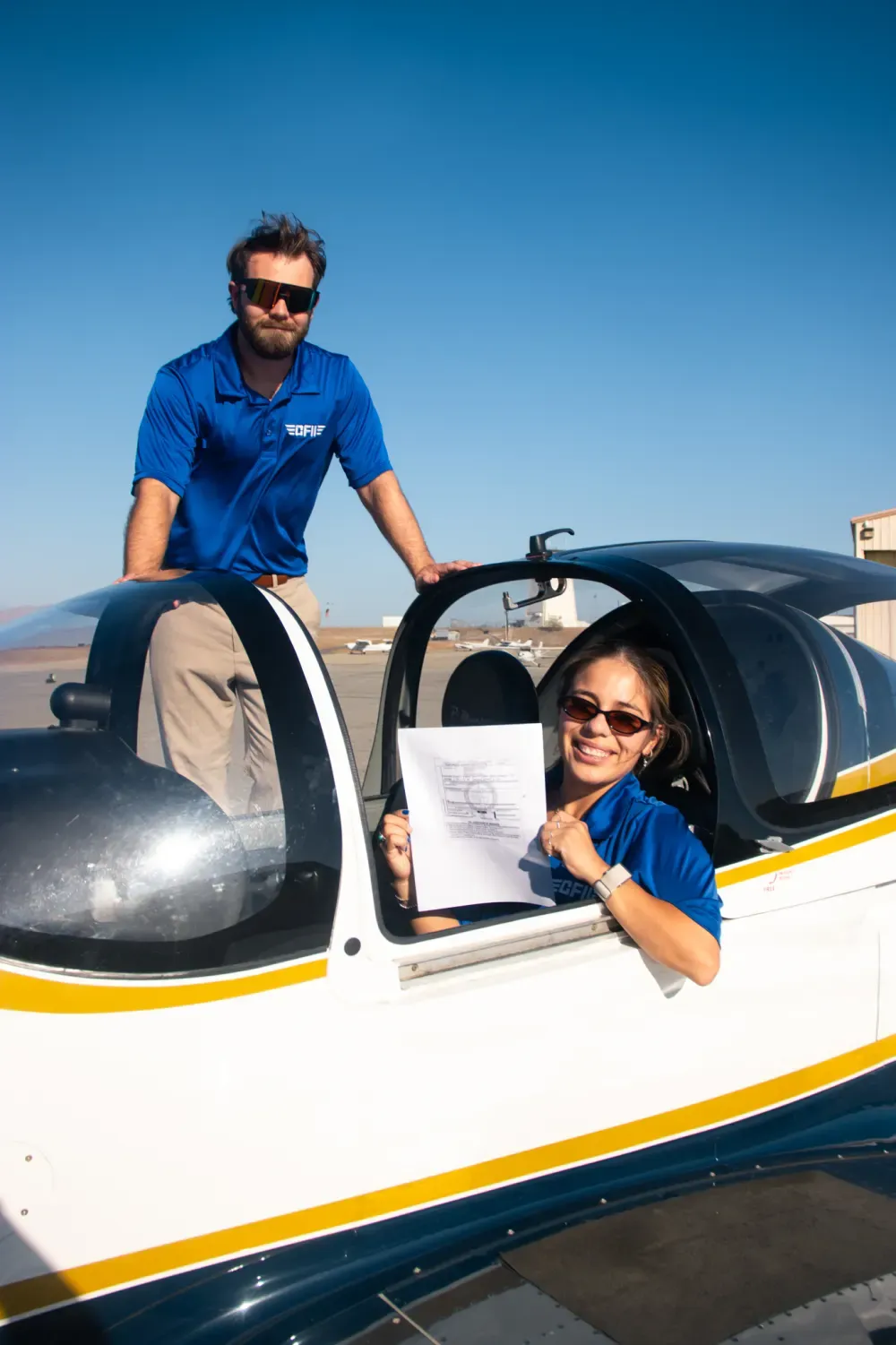
What co-signing commits you to
Most people who start this program are in their twenties, with a thin credit file and no income while they train full time. A co-borrower is how the lender bridges that. It is a requirement, not a formality.
- You share responsibility for the loan
- A co-borrower is not a reference or a character witness. If the student cannot make the payments, the lender looks to you. It should be money you would be willing to owe.
- Nothing to pay while the student pays
- The student makes the payments and you are the backstop behind them. No bill is sent to you and nothing is owed by you for as long as the payments are made. You are being asked to stand behind the student, not to fund the training.
- No payments for 12 months
- Nothing is due while the student trains and finds a flying job, and there is no penalty for paying the loan off early.
When the money moves
The first loan payment is due at month 12. A student who takes the instructor add-on starts earning at month 10.
Month 0
First lesson
Month 9
Certificates done
Month 10
Teaching at $30 an hour
Month 12
First loan payment
At 1,500 hours
The airlines start hiring
The last step has no date on it: the hours arrive at the pace someone flies. For scale, the median US airline pilot wage was $226,600 in May 2024, according to the Bureau of Labor Statistics.
If the student stops early
The unused money does not disappear, and the loan does not shrink to nothing either. This is how it splits.
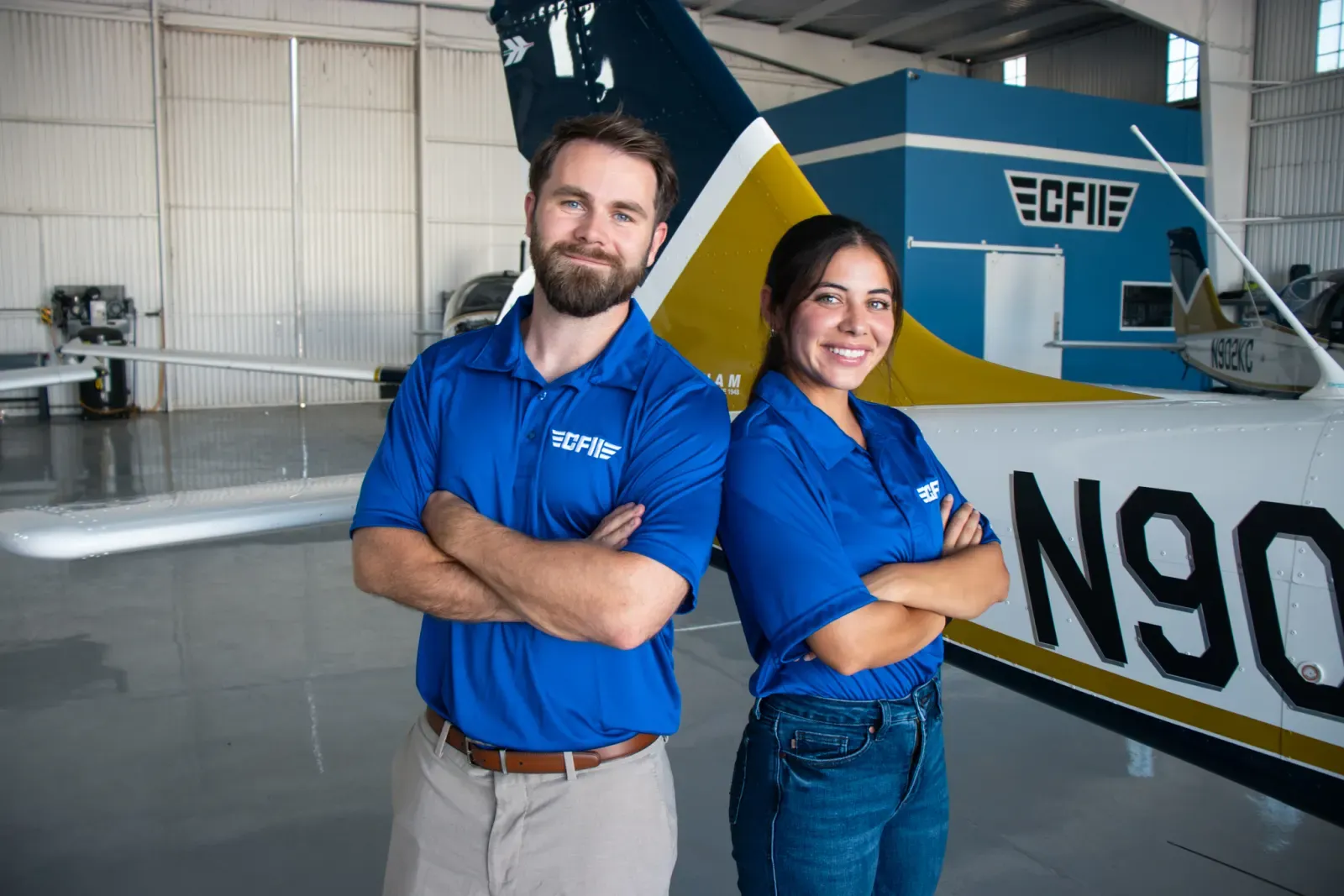
| Comes back | Whatever has not been flown yet. The balance is refunded pro rata within 15 days of leaving the program. It can be paid to the lending source rather than the student, which on a financed program means straight back against the loan. |
|---|---|
| Does not | The training already flown. Those hours are spent, the same as any lesson that has happened. The debt that is left is the training that actually took place, not the whole program. |
| In the first 20 hours | Earlier still, the First Milestone Guarantee settles the logged time at a discounted $200 per flight hour, and the rest of what was paid may be refunded. That window exists so the first few hours can answer whether this career is the right one. |
What happens next
The student adds you to the application
They give your name, email and phone, and nothing else.
Stratus emails you your own invitation
You fill in your part yourself. The student never sees what you enter.
Stratus prequalifies you with a soft credit inquiry
It does not affect your credit score. A hard inquiry only happens later, as part of executing the loan.
You get the real numbers in writing
We do not quote rates or terms, and no flight school should. Stratus puts them in writing first. Applying is not agreeing.
Questions
What if the student quits?
The loan itself does not go away, but the money does not vanish either. Training is drawn down as it is flown, so the unused balance is refunded pro rata and can be paid straight back to the lender. What is already flown is spent. In practice the debt left is the training that actually happened.
Does it show up on my credit?
Prequalification is a soft inquiry and does not affect a score. Once a loan is executed it is a real obligation in both names and is reported like one. Stratus explains exactly how beforehand.
Is there anything to pay up front?
No. Applying costs nothing, there is no deposit tied to this step, and payments on the loan itself are deferred 12 months.
What if the answer is no?
It is not the end of the plan. Another family member can be the co-borrower instead, and our team goes over the options on a call, usually within the hour.
If you are the student: the financing application is where your co-borrower goes in, and where you can ask our team to call and go over the options. Sign in to continue, or read the financing page.
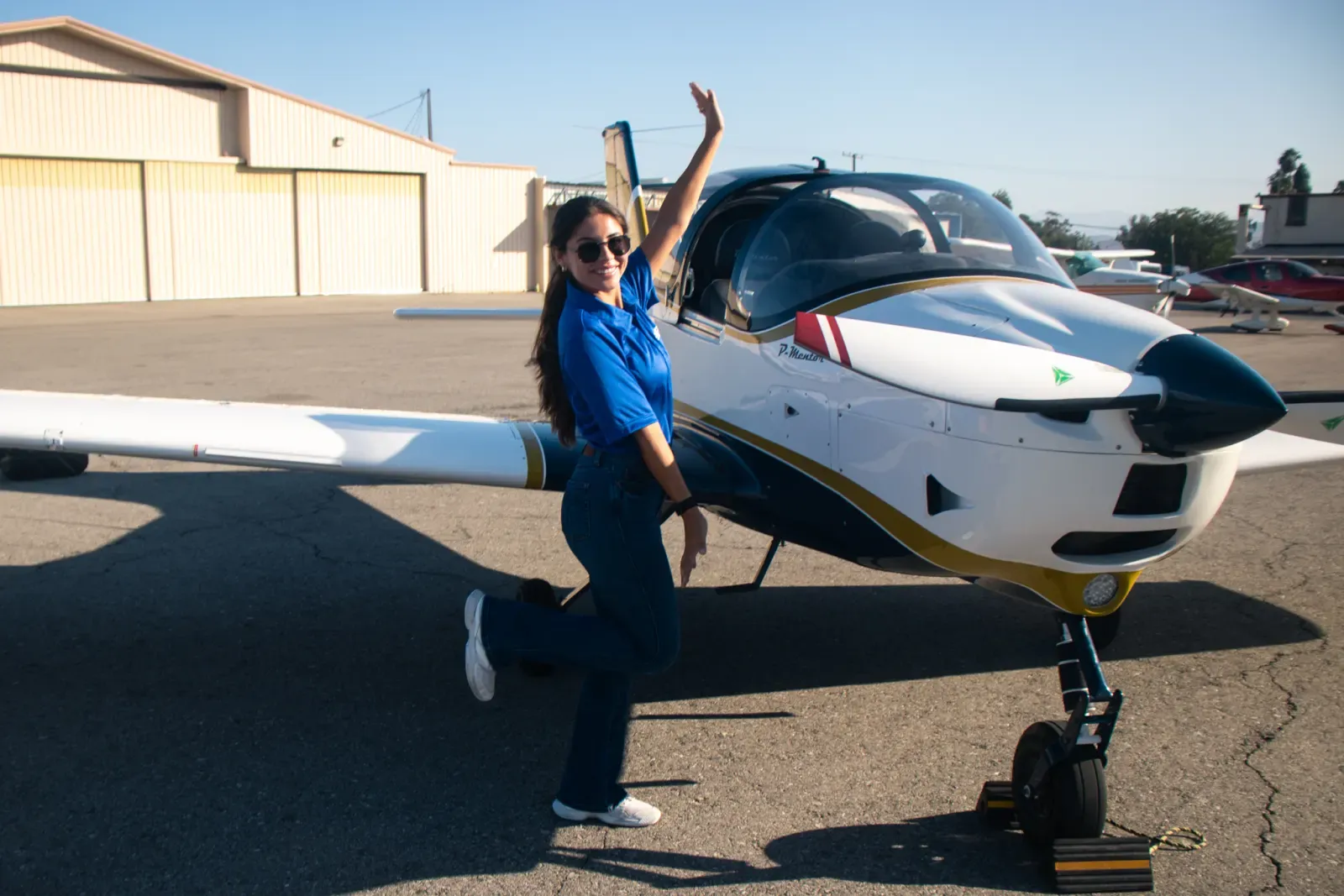
Come see it first.
Walk the hangar, sit in the airplanes and meet the people who would do the training. Come together. We are happy to show you around before anyone commits to anything.
Apply nowCreate your account and we will help you set up a visit.