
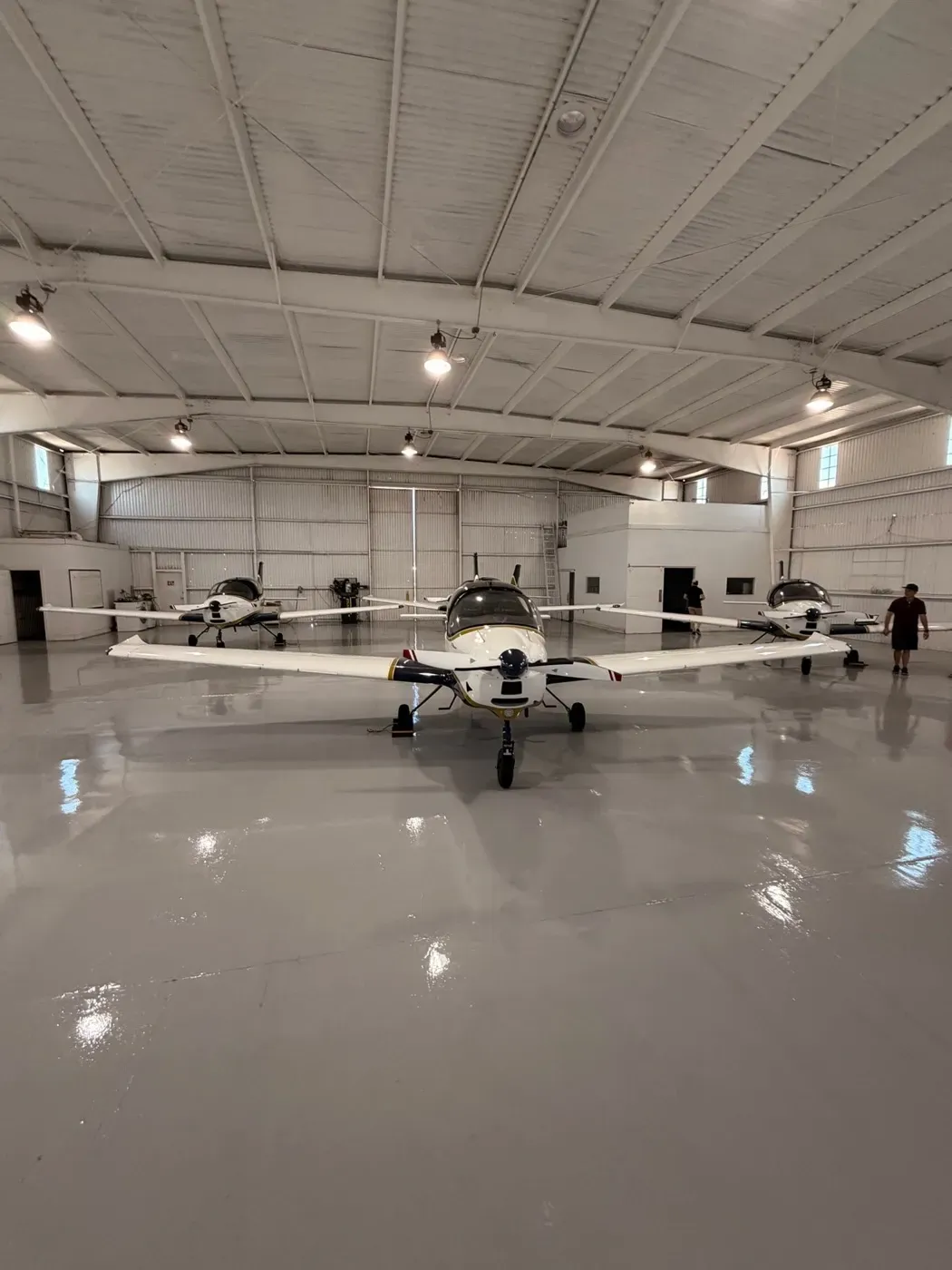
Factory-new airplanes, not museum pieces.
Every CFII trainer is a new Tecnam P-Mentor with a Garmin glass cockpit, a real autopilot and a parachute for the whole airplane. This is what you learn in.
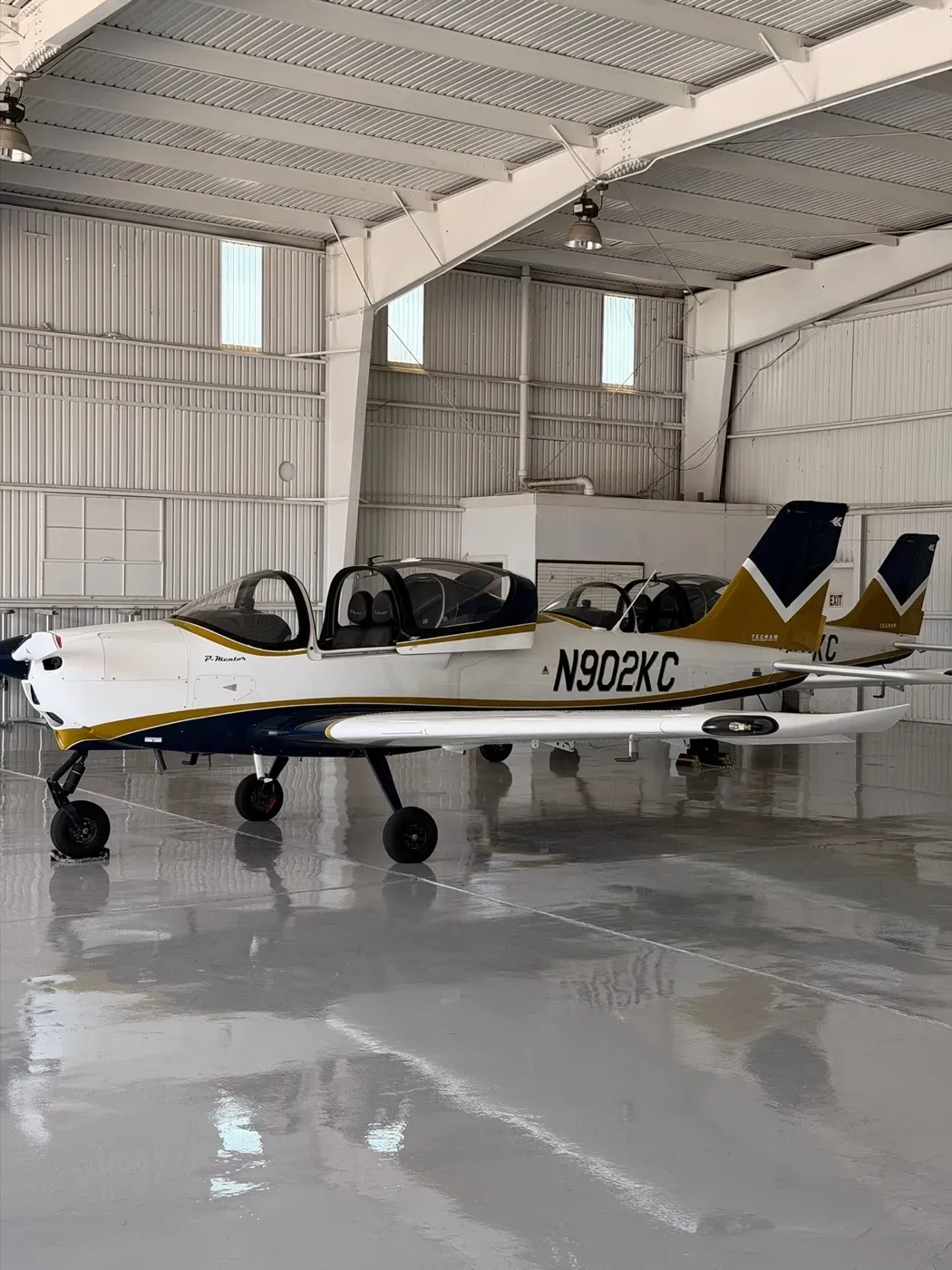
2024 Tecnam P-Mentor
Designed in Italy as a trainer from the first sketch. The cabin is roomy and quiet, the visibility is wide open, and the Garmin panel is set up to cut your workload so you can concentrate on flying.
Private owners buy this airplane because they like it. You get to train in it, from your first lesson to your instrument rating.
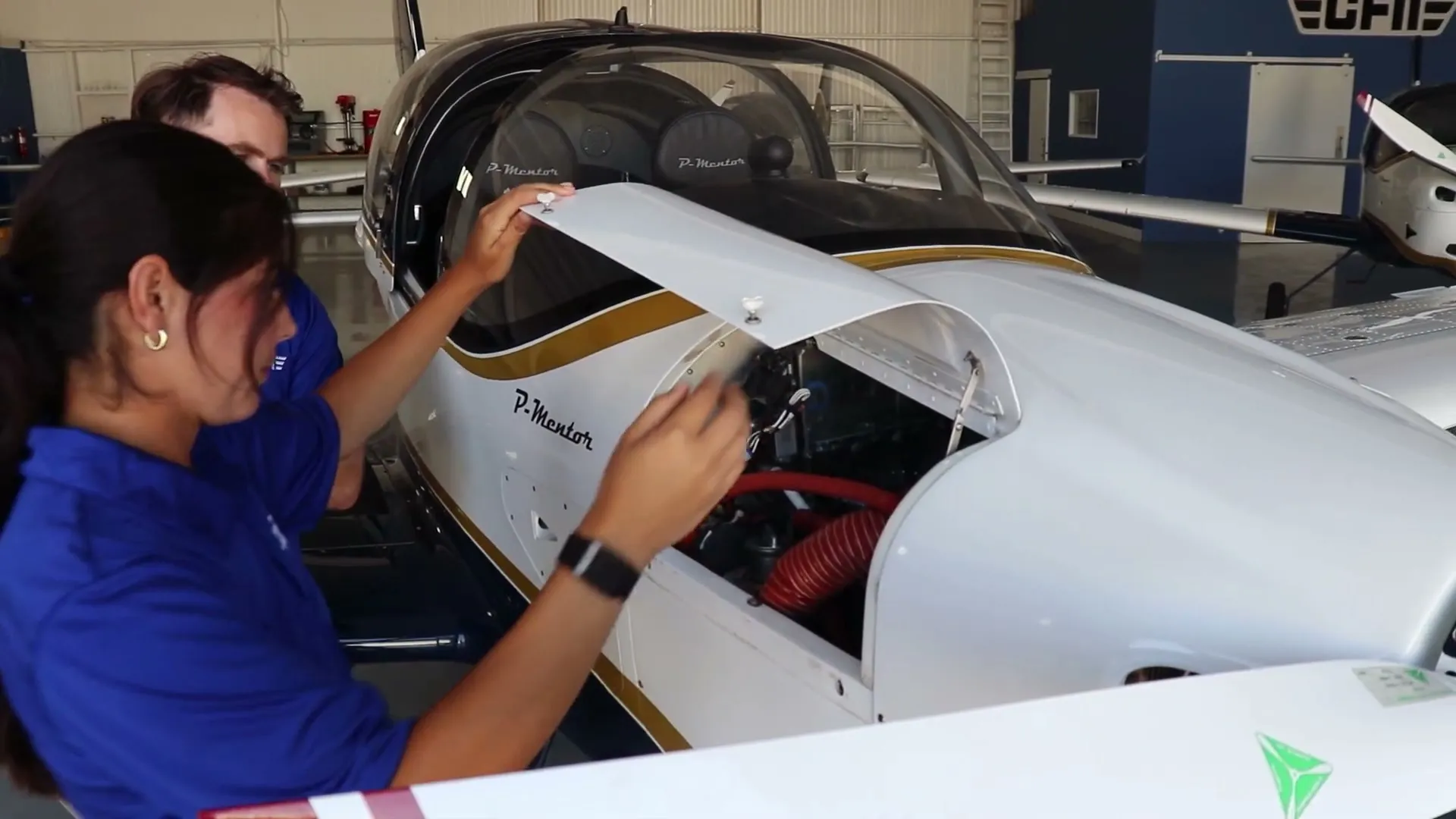
What is on board
- Garmin G3X glass cockpit
- Two large displays with engine monitoring and a digital standby. You learn on the kind of screens you will fly for a living.
- GFC 500 autopilot
- A real Garmin autopilot, so you learn to manage automation from the first lessons instead of meeting it years later.
- BRS parachute
- A parachute for the whole airplane, built into the airframe. Pull one handle and the aircraft comes down under canopy.
- Rotax 912 iS engine
- 100 hp, fuel injected, with redundant electronic injection. Modern, efficient and smooth.
- Variable-pitch propeller
- A constant-speed propeller with a governor. You graduate already knowing the prop lever.
- IFR-ready panel
- Nav/com, ADS-B In and Out and a full audio panel, so the same airplane takes you through your instrument rating.
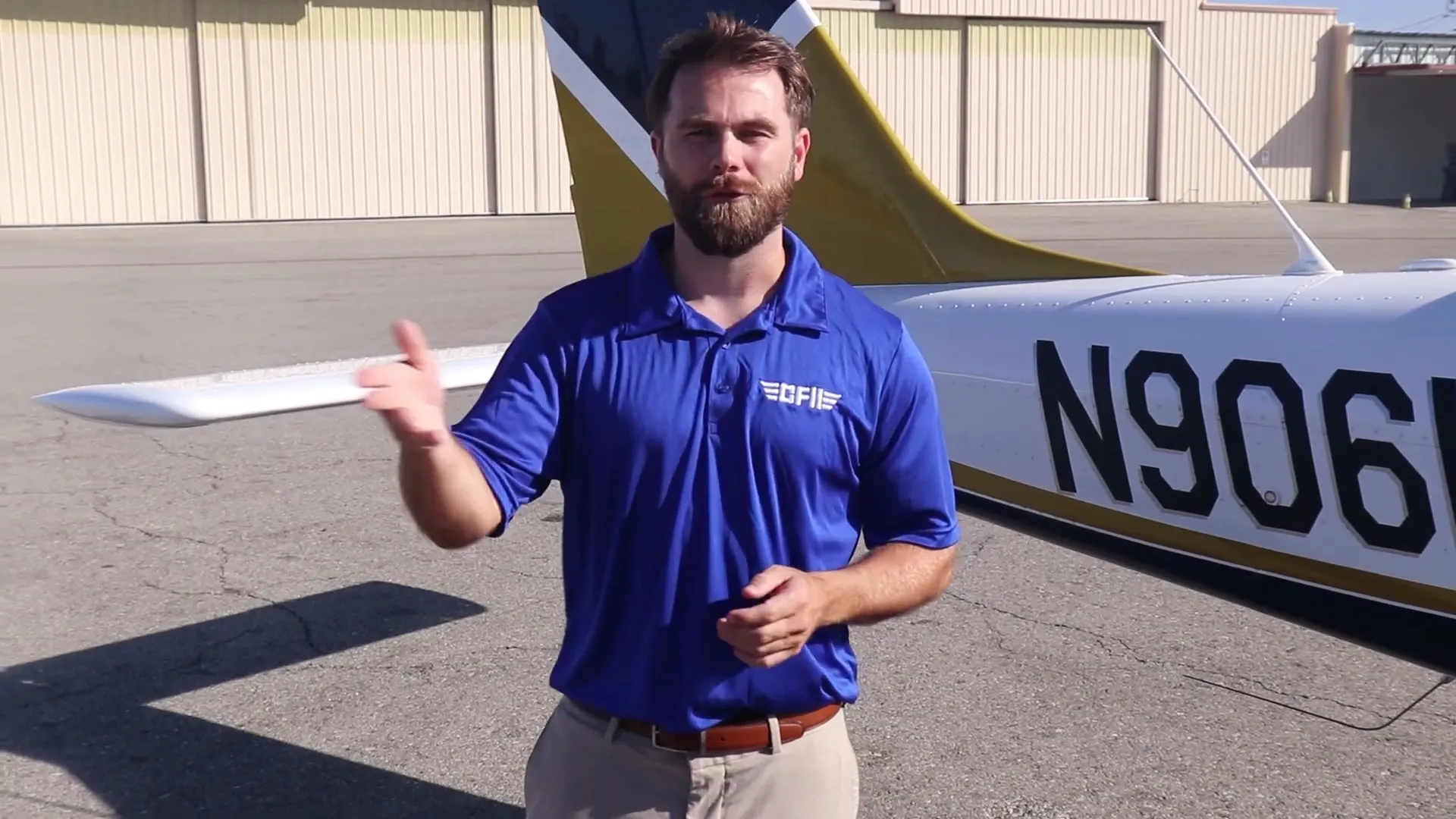
A parachute for the whole airplane.
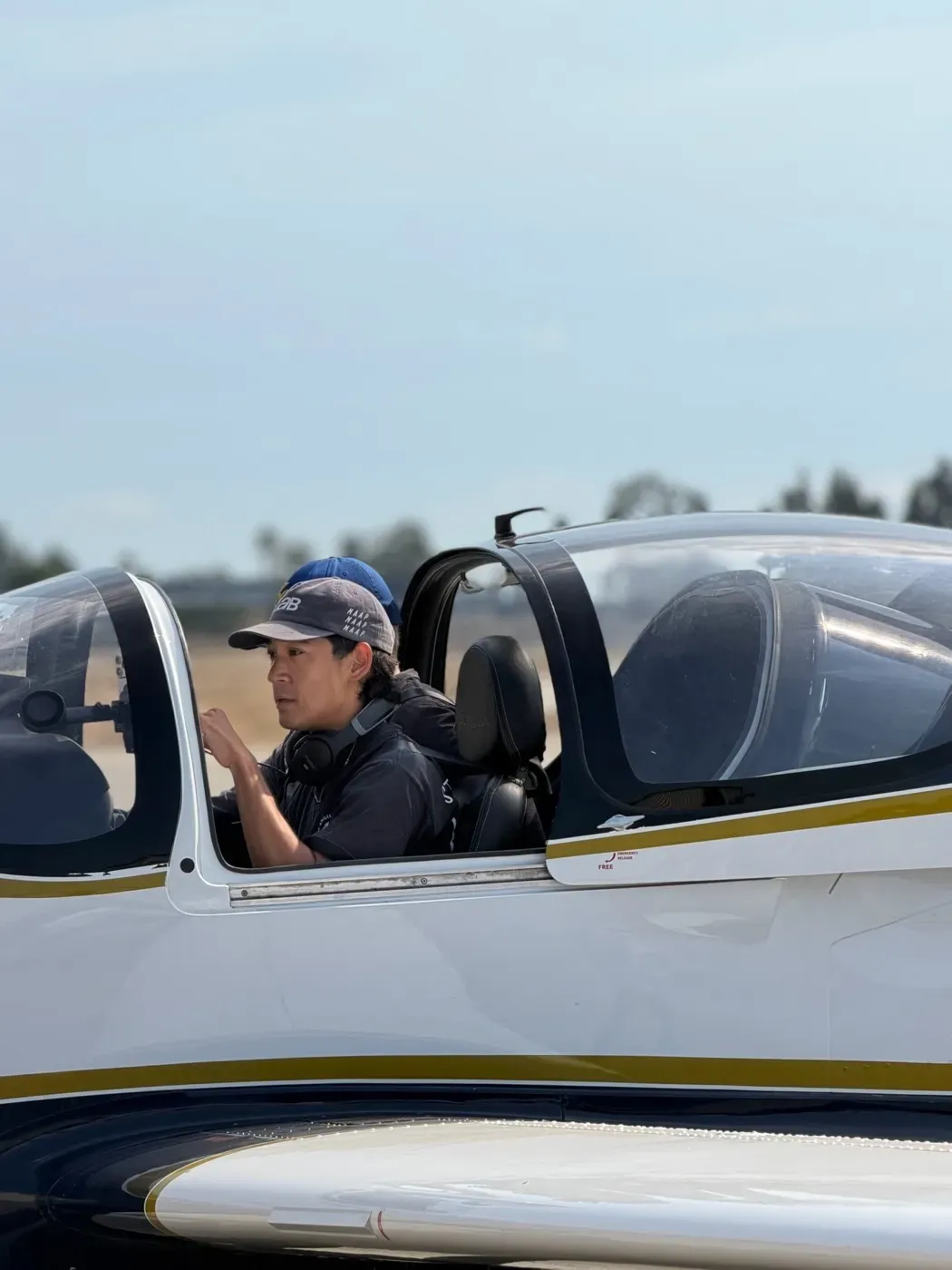
Every P-Mentor in our fleet carries a BRS ballistic parachute built into the airframe. Pull one handle and the entire aircraft, you included, descends under canopy. Most flight schools cannot offer it, because their airplanes were built decades before it existed.
You will probably never use it. Knowing it is there changes how it feels to learn.
The numbers
- Max cruise speed
- 117 kts
- Range
- 950 nm
- Rate of climb
- 750 ft/min
- Max operating altitude
- 13,000 ft
- Stall speed, flaps down
- 44 kts
- Takeoff distance, 50 ft obstacle
- 1,706 ft
- Landing distance, 50 ft obstacle
- 1,280 ft
- Maximum takeoff weight
- 1,587 lb
- Useful load
- 628 lb
- Fuel capacity
- 37 US gal
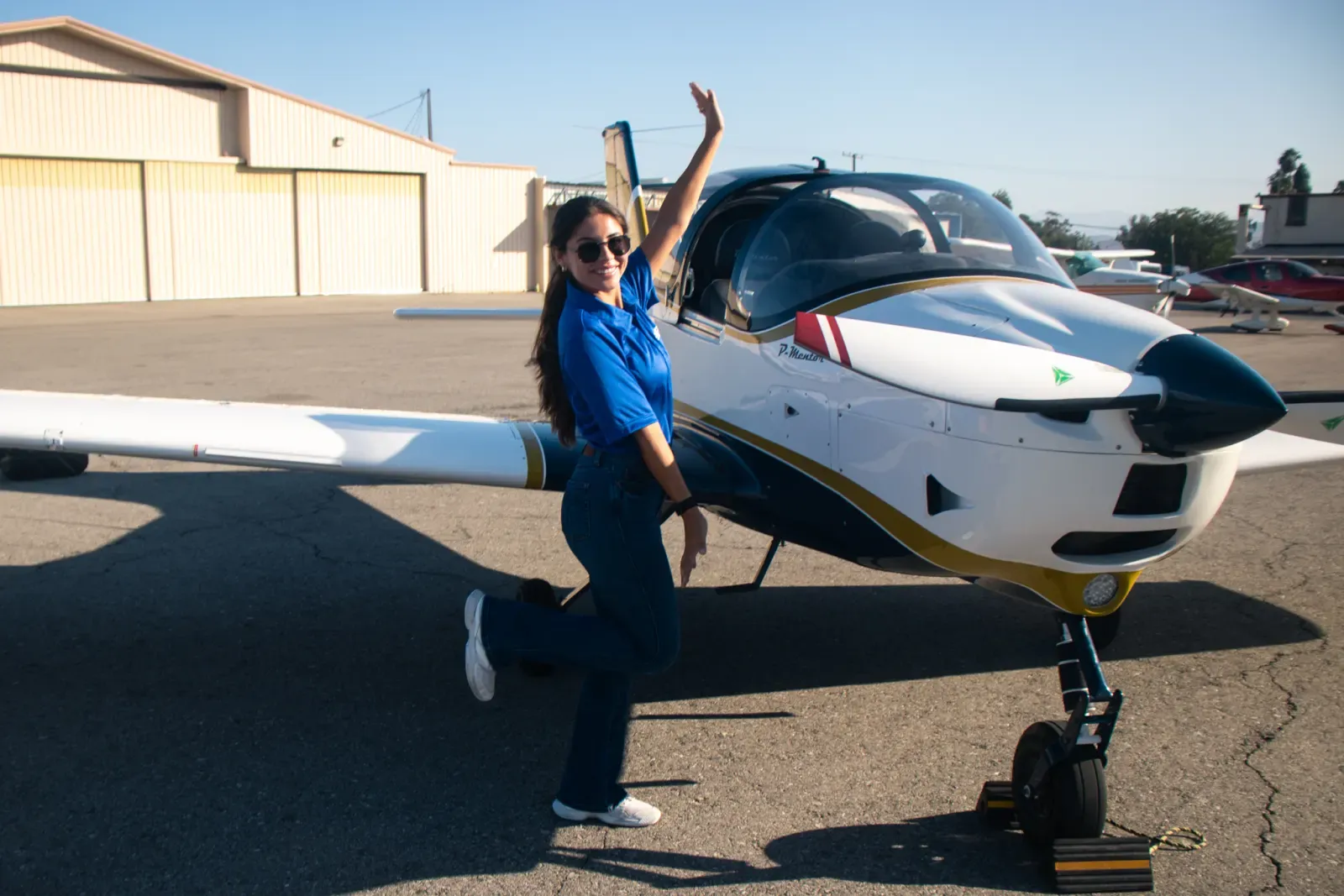
The left seat beats the spec sheet.
Come sit in one. Walk the hangar, meet the instructors, and see for yourself what a trainer built this decade feels like.
Apply nowCreate your account and we will help you set up a visit.