
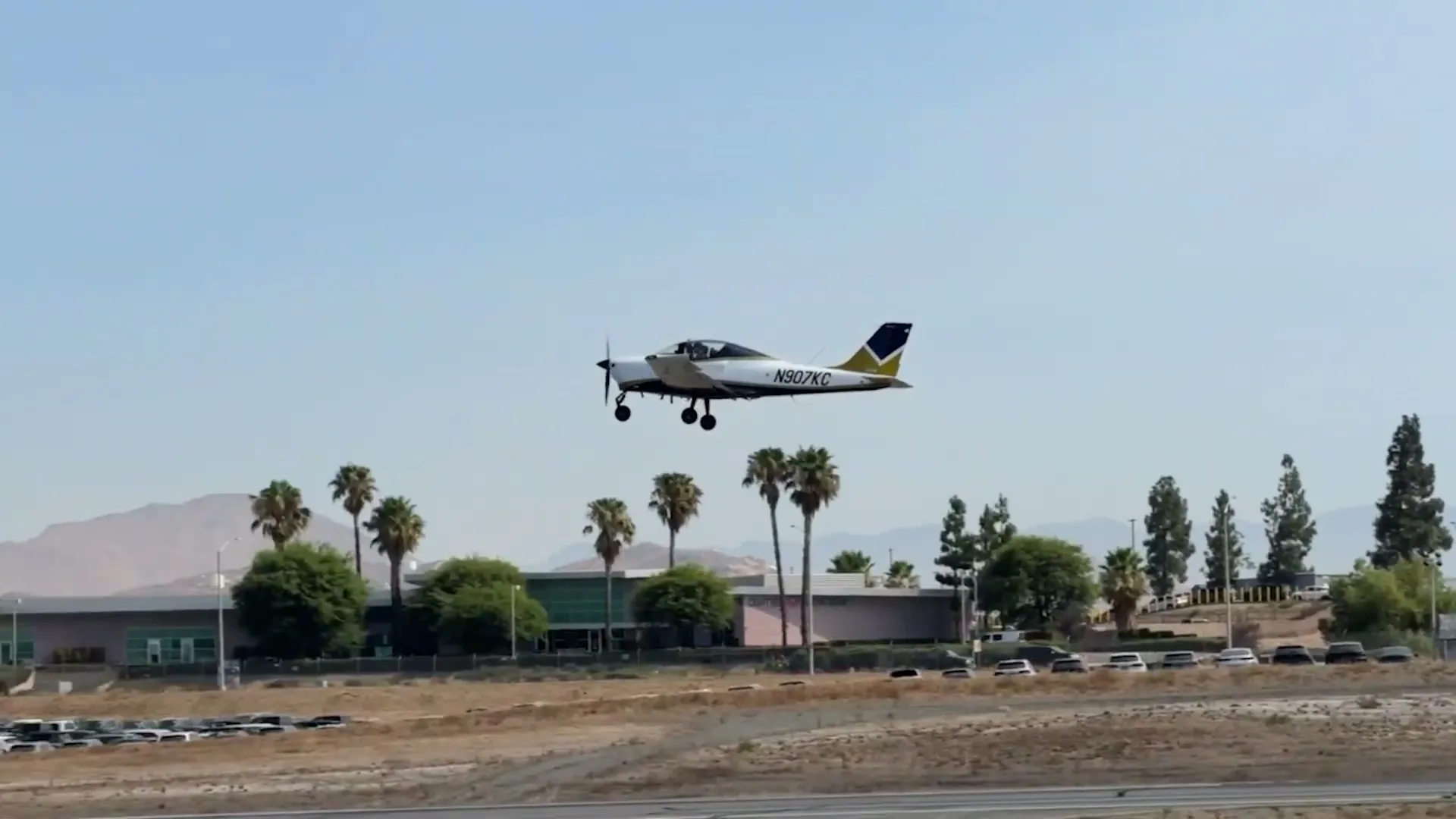
Commercial Pilot License
Get paid to fly. The license every professional pilot career starts from.
Turn flight hours into a paycheck.
The commercial pilot license is the FAA certificate that lets you fly for compensation. It is the line between flying as a hobby and flying as a profession, and the required first step toward every cockpit career, from survey and charter work to the airlines.
At CFII you earn it as part of the Career Track, our one program from zero experience to commercial pilot and instructor. Flown full time, this step is months 6 to 7 of nine.
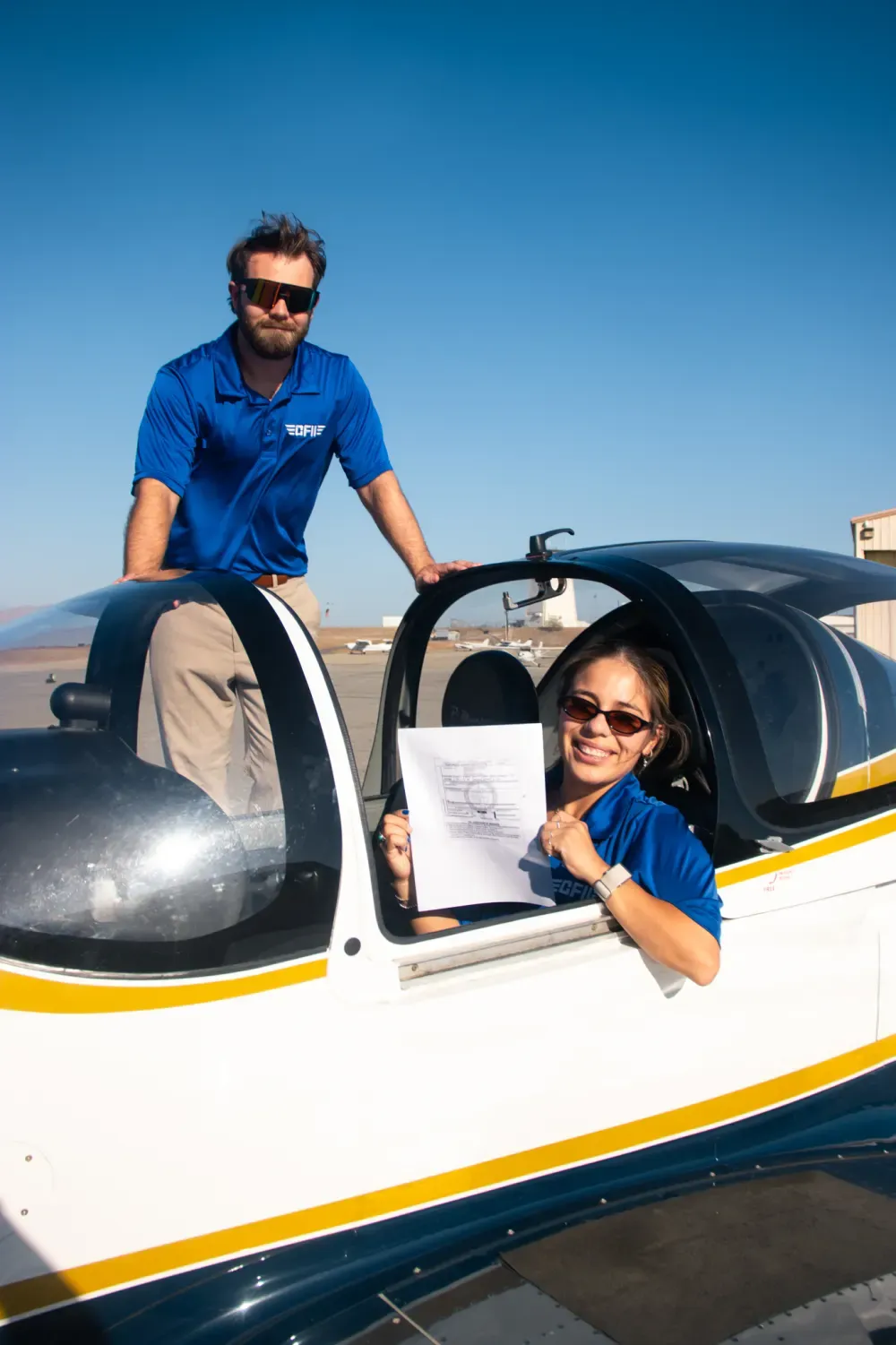
What the FAA requires
- Total flight time
- 250 hours
- As pilot in command
- 100 hours
- Commercial training
- 20 hours
- Exams
- FAA written test and checkride
What you need to start
- Be at least 18 years old
- Hold a private pilot license
- Read, speak, write and understand English
- A second-class FAA medical to exercise commercial privileges
- Pass the FAA commercial pilot written exam
How it goes
Build your hours
Most of the commercial is building time toward 250 hours, and how you build it matters. You fly real trips in a modern airplane.
Commercial maneuvers
You and your instructor drill chandelles, lazy eights and power-off 180s until the airplane goes exactly where you decide.
Polish and checkride
You fly to professional tolerances, brief like a professional and pass the FAA checkride. Then someone can legally pay you to fly.
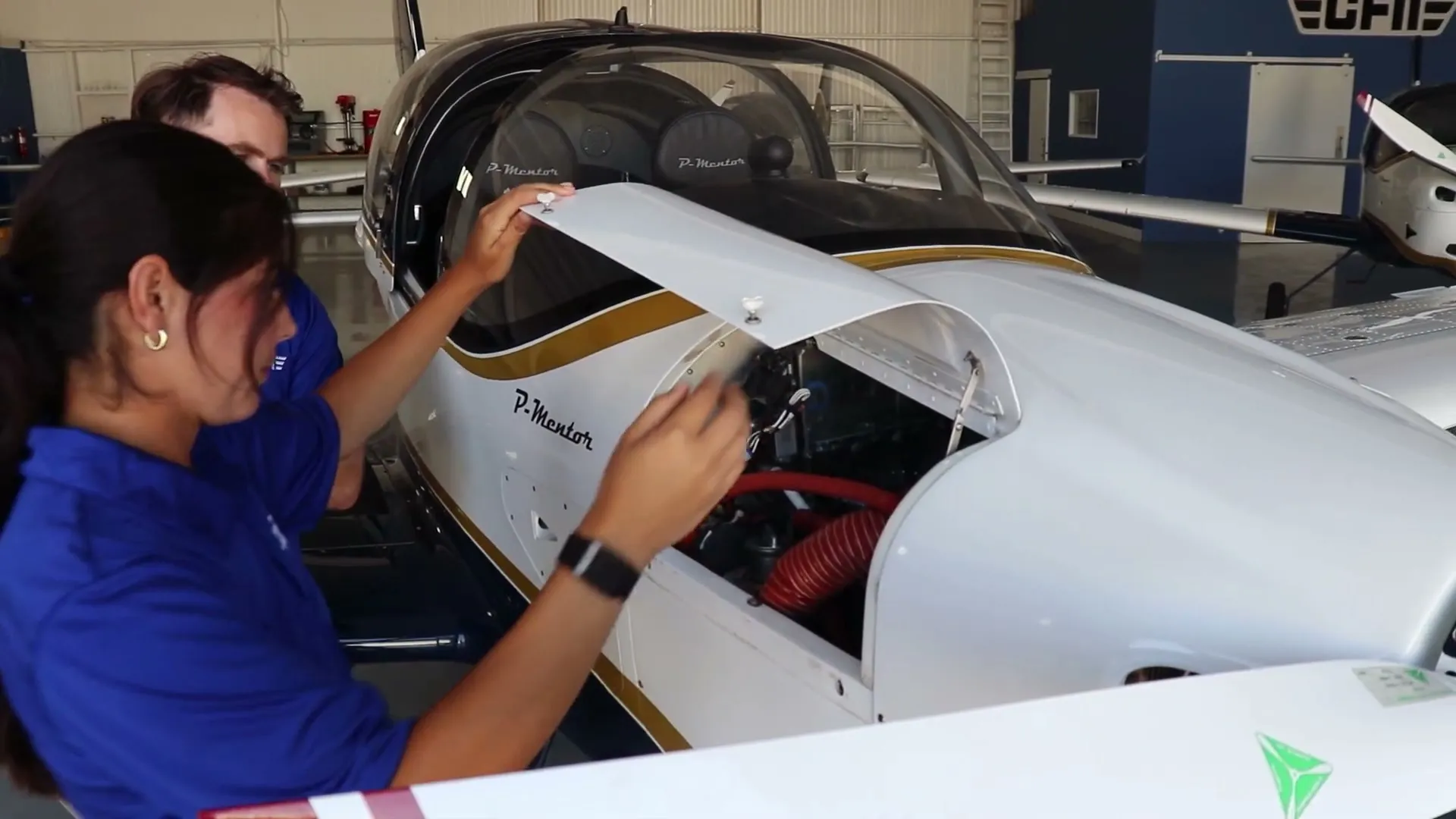
What you learn
- Chandelles, lazy eights and eights on pylons, flown to commercial tolerances
- Power-off 180 accuracy landings
- Long solo cross-countries, including the FAA's 300-mile trip
- Technically advanced aircraft operations on Garmin glass
- Professional judgment, energy management and single-pilot workload in busy airspace
- Checkride preparation until precision is a habit
All of it in a factory-new Tecnam P-Mentor. See the fleet
How long it takes
It depends on where your logbook stands: the FAA asks for 250 hours of total flight time, and the commercial training itself is about 20 of them.
In the Career Track, flown full time, it is months 6 to 7. It is covered by the program's one price.
Where it takes you
The commercial license is where flying starts paying you back. Survey, charter and skydive operations open up, and flight instruction too once you add the CFI certificate. Every hour you fly counts toward the 1,500 the airlines require.
- Private Pilot LicenseMonths 1 to 3
- Instrument RatingMonths 3 to 6
- Commercial Pilot LicenseMonths 6 to 7
- Certified Flight InstructorMonths 7 to 8
- Instrument InstructorMonths 8 to 9
- Commercial Multi-EngineMonth 9
Questions.
Do I need an instrument rating before my commercial?
Technically no, but practically yes. A commercial certificate without an instrument rating carries heavy restrictions on carrying passengers for hire, so almost every professional pilot gets the instrument rating first. The Career Track goes private, then instrument, then commercial.
What jobs can I get with a commercial pilot license?
Banner towing, aerial survey, skydive operations, pipeline patrol, sightseeing and charter flying, and flight instruction after you add the CFI certificate. It is the entry ticket to professional aviation. The airlines come later, at 1,500 hours with an ATP certificate.
Next in the sequence
Certified Flight InstructorTeach people to fly. Get paid for every hour, and build the time that gets you to the airlines.
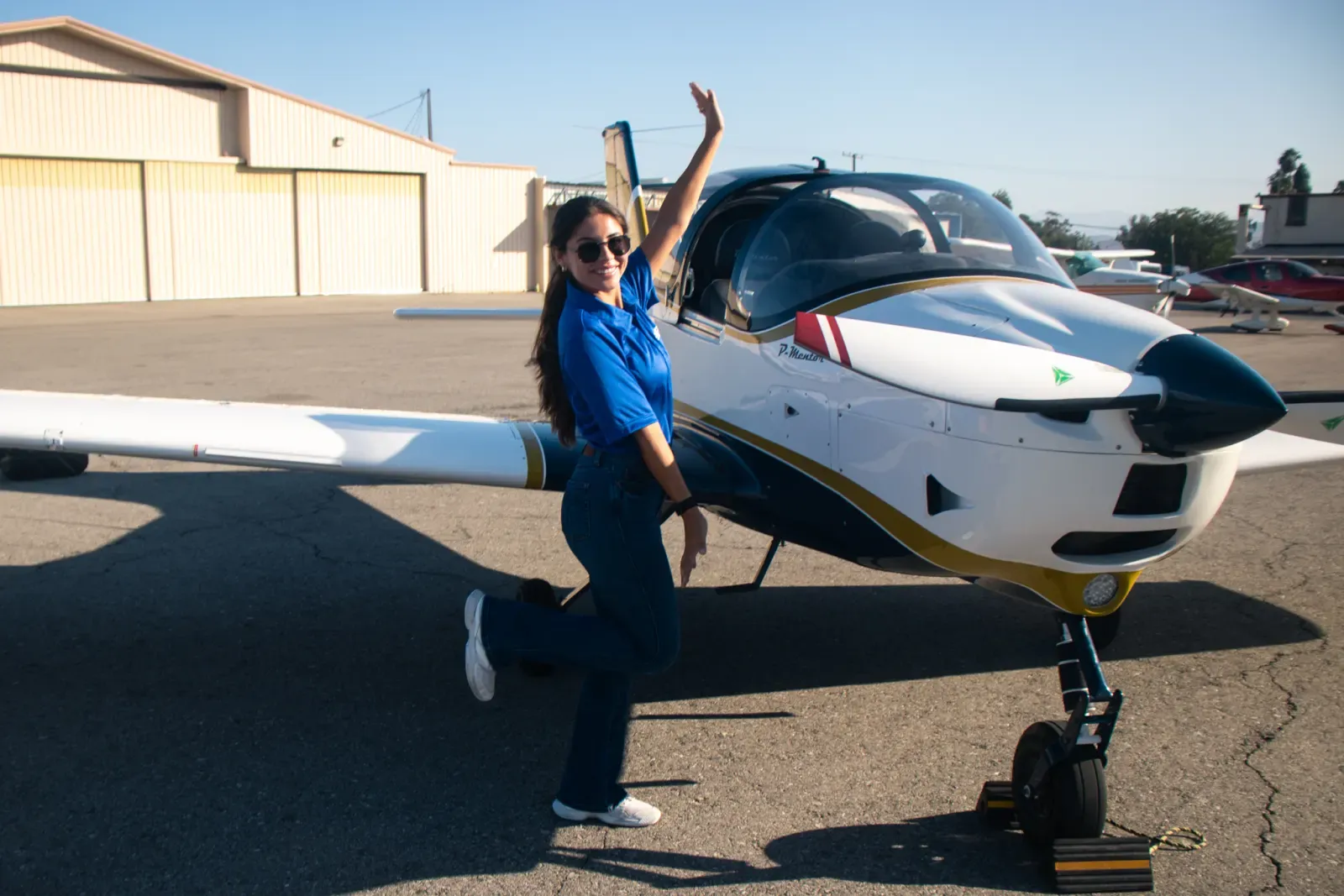
Come see the airplanes.
Walk the hangar, sit in a factory-new cockpit and meet the people who would train you. Bring your parents, your partner, whoever is part of the decision. We are happy to show you around before you commit to anything.
Apply nowCreate your account and we will help you set up a visit.