
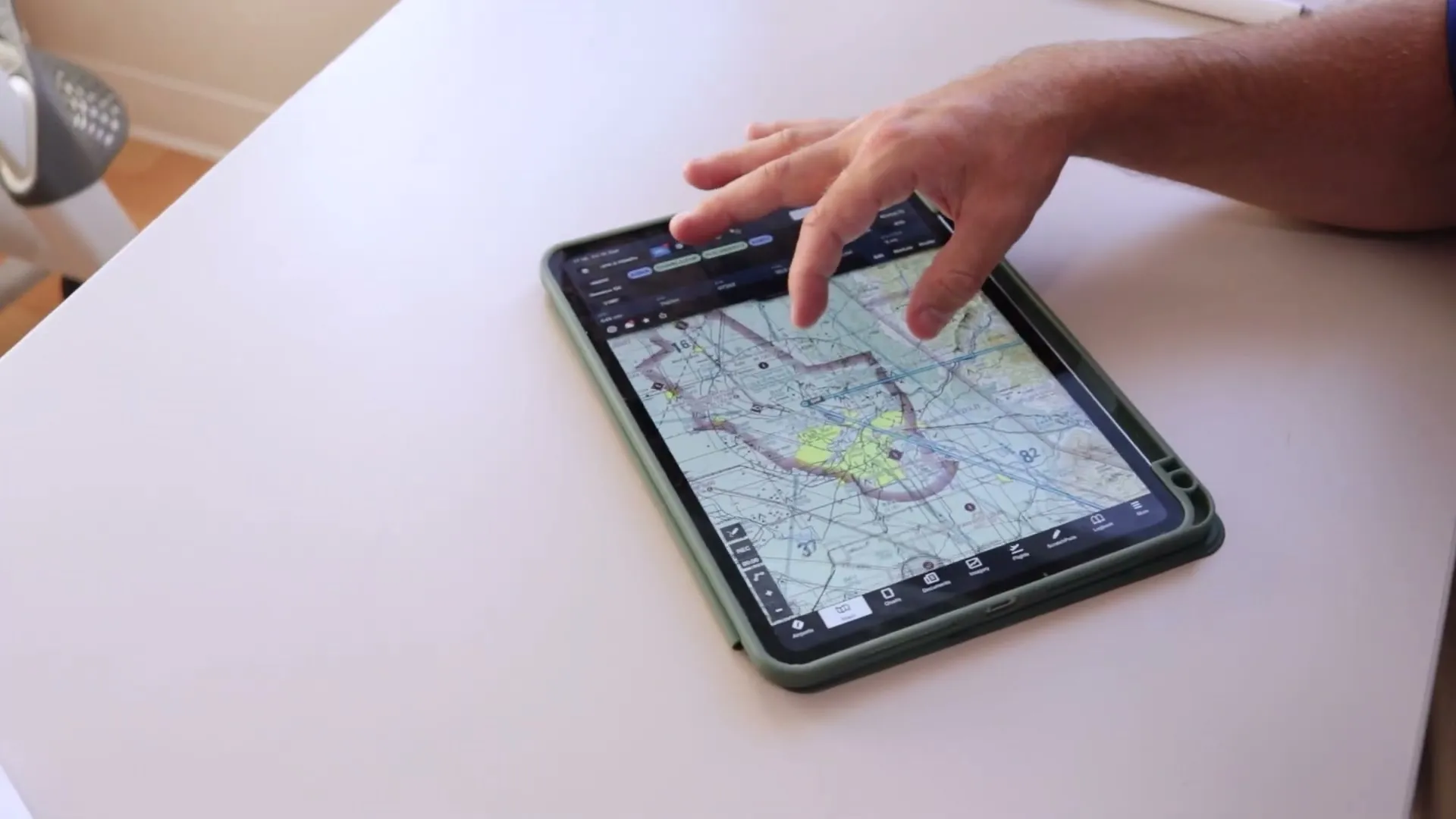
Instrument Rating
Fly in the clouds, on an IFR flight plan. The rating that turns a fair-weather pilot into an all-weather pilot.
Stop canceling for clouds.
The instrument rating lets you fly through clouds, haze and the June marine layer, legally and precisely, guided by instruments and air traffic control. If the private license taught you to fly, the instrument rating teaches you to fly anywhere, any day.
At CFII you earn it as part of the Career Track, our one program from zero experience to commercial pilot and instructor. Flown full time, this step is months 3 to 6 of nine.
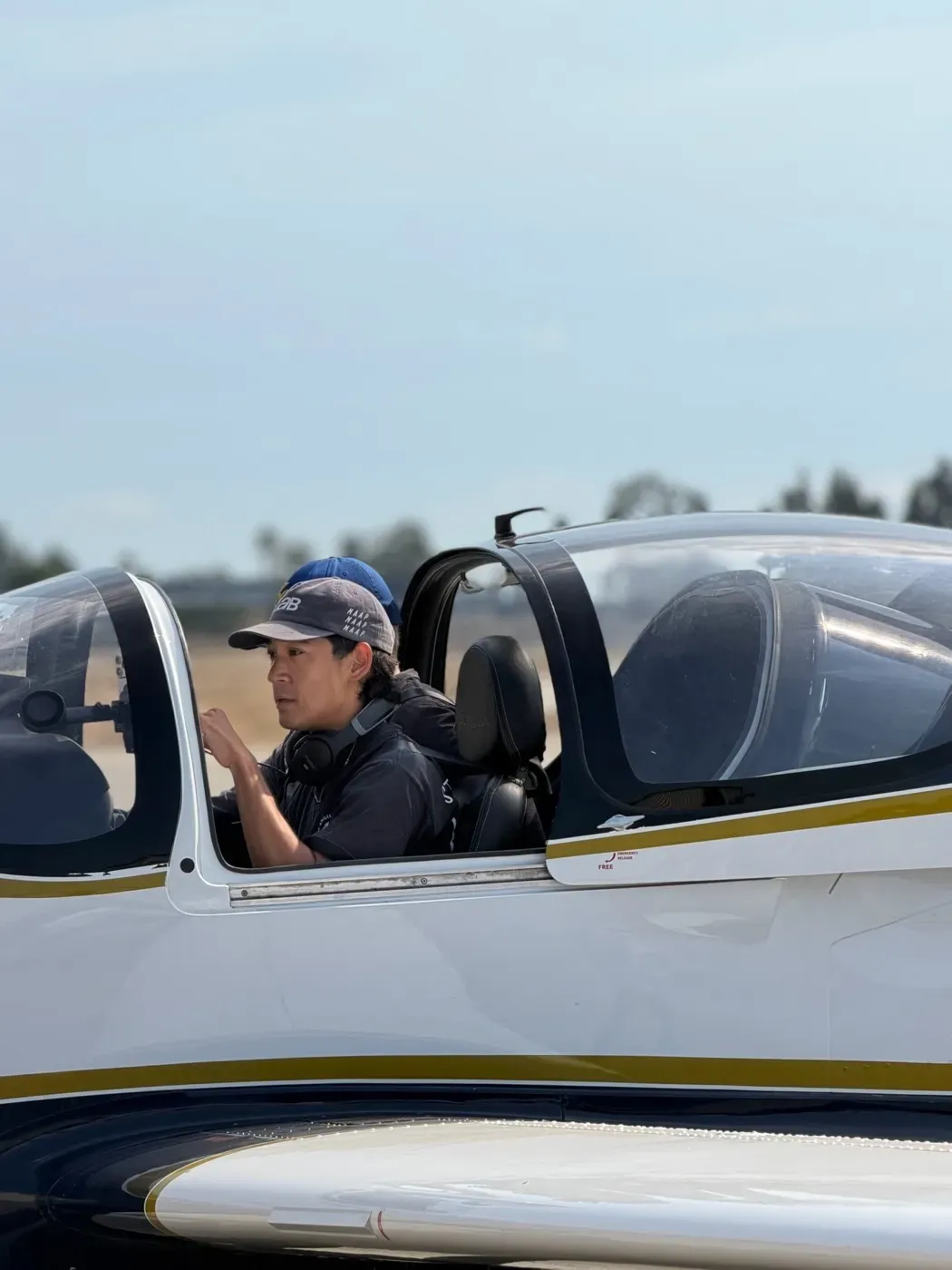
What the FAA requires
- Instrument time
- 40 hours
- With an instrument instructor (CFII)
- 15 hours
- Cross-country as pilot in command
- 50 hours
- Exams
- FAA written test and checkride
What you need to start
- Hold a private pilot license (or higher)
- Read, speak, write and understand English
- A current FAA medical certificate (third class is fine)
- 50 hours of cross-country time as pilot in command
- Pass the FAA instrument rating written exam
How it goes
Instrument foundations
You learn to fly the airplane by reference to instruments alone, under the hood with your instructor. Scan, trust and precision replace looking out the window.
Approaches and the system
You fly ILS, RNAV and VOR approaches at airports across Southern California and learn to work with air traffic control like a professional.
IFR cross-countries and checkride
You file and fly real IFR trips in the system, then prove it all to an FAA examiner. After that, the marine layer is just scenery.
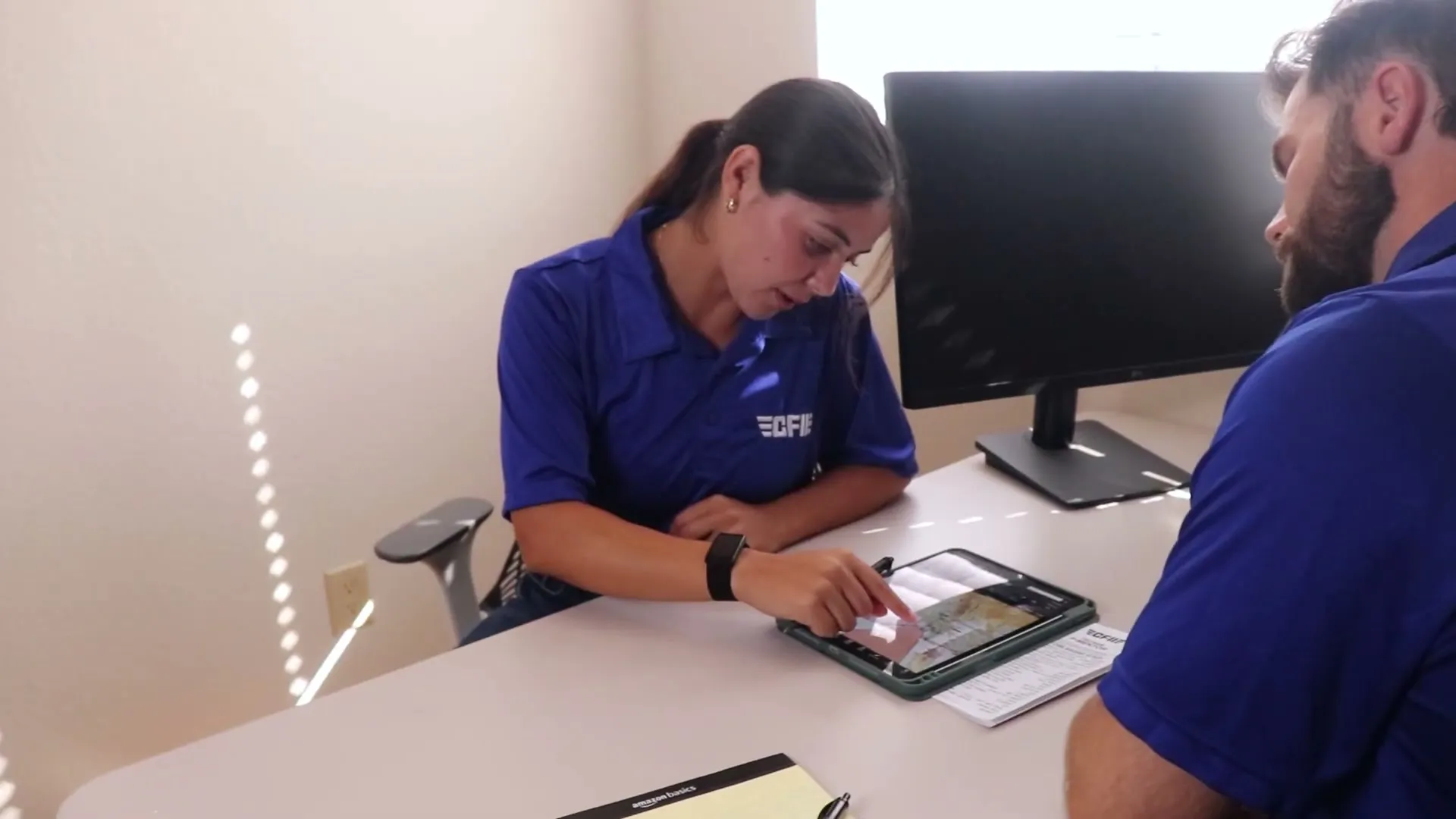
What you learn
- Attitude instrument flying, full panel and partial panel
- ILS, RNAV and VOR approaches down to minimums
- Holds, departures and arrivals in real Southern California airspace
- IFR cross-country planning, weather strategy and alternates
- Flying in the system with SoCal Approach
- Checkride preparation until it feels routine
All of it in a factory-new Tecnam P-Mentor. See the fleet
How long it takes
Plan on 40 hours of instrument time. Flying two to three times a week, most pilots finish in three to five months.
In the Career Track, flown full time, it is months 3 to 6. It is covered by the program's one price.
- Private Pilot LicenseMonths 1 to 3
- Instrument RatingMonths 3 to 6
- Commercial Pilot LicenseMonths 6 to 7
- Certified Flight InstructorMonths 7 to 8
- Instrument InstructorMonths 8 to 9
- Commercial Multi-EngineMonth 9
Questions.
How long does the instrument rating take?
Flying two to three times a week, most pilots finish in three to five months. The rating rewards momentum: instrument skills fade fast with gaps, so a consistent schedule matters.
Why get an instrument rating in Southern California?
Because you train in the busiest, most demanding airspace in the country, with a marine layer that serves up real instrument weather on a schedule. If you can fly IFR with SoCal Approach, you can fly IFR anywhere.
Can I train in actual clouds or only under the hood?
Both. You will log plenty of simulated instrument time under the hood, and when the marine layer rolls in, you and your instructor file IFR and fly the real thing. Our Tecnams are IFR-equipped with Garmin glass.
Next in the sequence
Commercial Pilot LicenseGet paid to fly. The license every professional pilot career starts from.
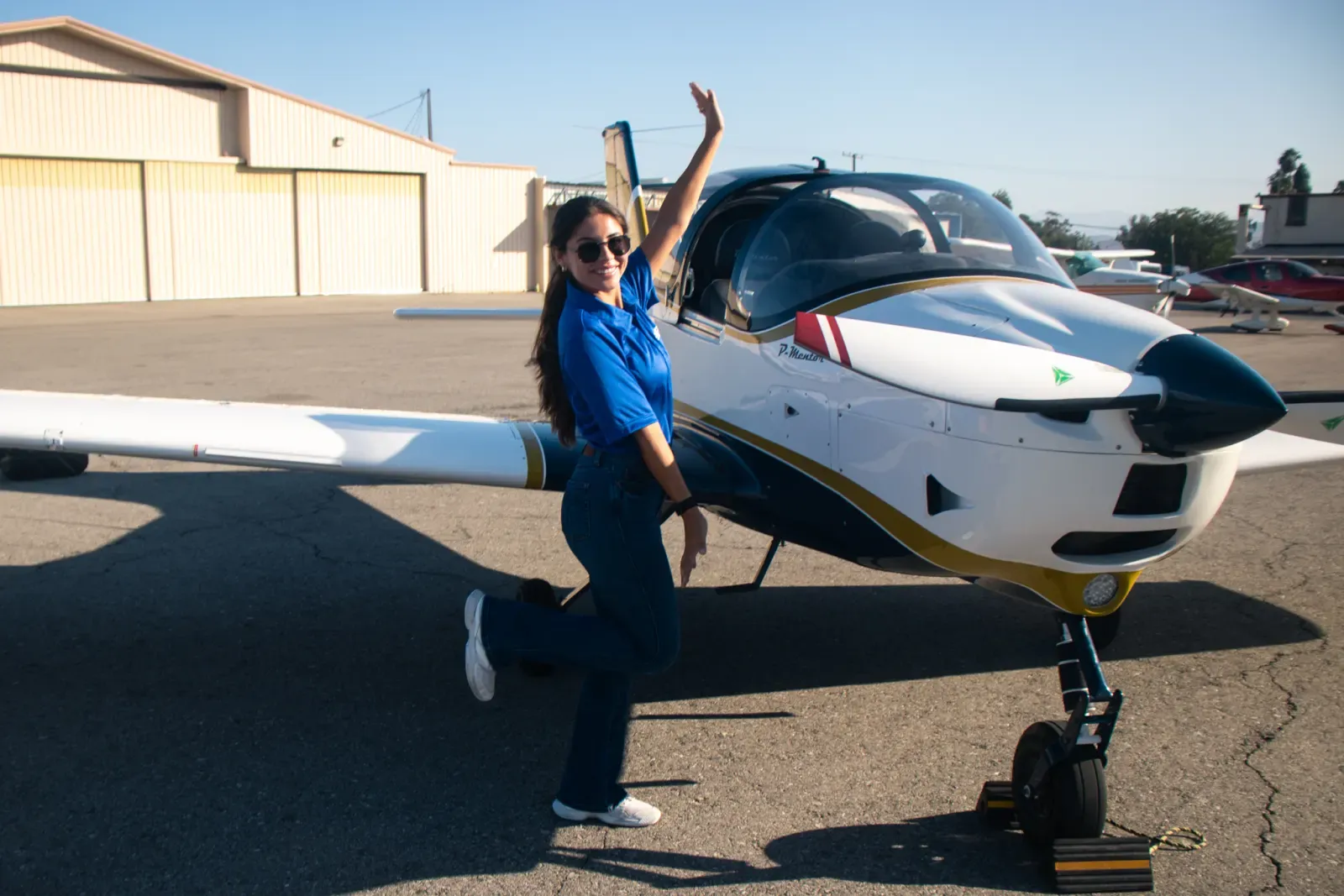
Come see the airplanes.
Walk the hangar, sit in a factory-new cockpit and meet the people who would train you. Bring your parents, your partner, whoever is part of the decision. We are happy to show you around before you commit to anything.
Apply nowCreate your account and we will help you set up a visit.